
The Mistake Most Couples Make
One of you looks at the dent, watches the door open and close just fine, and declares the matter closed: it still works, so it's fine. That logic is tempting because it's partly true — a garage door can run smoothly for months with a dented panel. But "still operates" and "structurally sound" are not the same thing, and the gap between them is exactly where small problems turn into bigger, pricier ones. The other mistake, just as common, is the opposite overreaction: seeing any dent and jumping straight to "we need a whole new door." Most of the time, neither spouse is fully right. The dent itself tells you which camp to join, if you know what to look for.
Where These Dents Actually Come From
Around Terra Ceia, dents rarely come from hail. They come from a backed-up car bumper, a bike or basketball hitting the bottom panels, a trash can blown by wind, or debris kicked up during one of the afternoon downpours and hurricane-season storms that roll through Manatee County. Wind-blown palm fronds and yard furniture are repeat offenders during storm season, and they tend to hit low on the door — exactly where kids and cars also tend to leave their mark.
Cosmetic Dent or Structural Problem? The Real Differences
- Shallow dent, middle of a panel, away from seams: Usually cosmetic. The metal is bent but not creased, and it doesn't interfere with the panel's shape at the edges where it meets its neighbors.
- Dent right at a panel edge, hinge, or roller bracket: More serious. Even a small dent here can shift how the panel sits against its neighbor or how the roller tracks, which changes how the door moves.
- Dent with a sharp crease, not just a smooth bend: This is a structural flag. A crease means the metal has been stressed past its ability to spring back, which weakens that section permanently — even if it looks fine once painted over.
- Dent that makes the door bind, grind, or hesitate when moving: This isn't a cosmetic question anymore. If the dent has pushed the panel out of plane enough to affect the track or rollers, you have an alignment problem layered on top of the dent.
A Five-Minute Check Before You Argue Any Further
- Open and close the door manually (disconnect the opener first) and listen for grinding, catching, or uneven movement near the dent.
- Stand back and sight down the door's surface in good light — a true structural dent usually shows as a shadow line that doesn't follow the panel's natural seams.
- Look closely at the dent's edges for cracked paint or hairline fractures in the metal. Cracks mean the metal fatigued, not just flexed.
- Check whether the dent is near a hinge, track bracket, or the bottom corner where rollers ride. Damage in these zones affects function, not just looks.
- If you're coastal or near brackish water, check for any rust starting at the dent site — more on why that matters below.
What Can Be Repaired vs. What Usually Can't
Shallow, mid-panel dents on steel doors can often be pulled out with suction tools, filled, sanded, and repainted — a straightforward cosmetic repair that holds up fine. Many sectional garage doors (the kind with horizontal panels) also allow a single damaged panel to be unbolted and replaced without touching the rest of the door. That's usually cheaper than full replacement, with one catch: if your door is older or a discontinued color, the new panel may not match the sun-faded original perfectly, which is worth knowing before you commit.
Full door replacement becomes the more sensible call when: multiple panels are affected, a structural dent has warped the door enough to throw off alignment across its whole width, the door is already near the end of its service life, or the dent compromises a wind-rated door's ability to meet the pressure resistance it was engineered for — a real consideration here given storm-season wind-load expectations on garage doors.
The Coastal Twist: Why Waiting Costs More Here
In Terra Ceia's salt air, a dent with cracked paint isn't just an eyesore — it's an open door for moisture. Once humidity and salt get under the paint at a crease or crack, rust starts quietly spreading underneath, often invisible until it's already eaten into the metal. A dent that would sit harmlessly for years inland can turn into a rust-weakened spot here within a season or two, especially with the swelling and moisture cycling that comes with heat, humidity, and sudden storms. That's the strongest argument for dealing with dents sooner rather than later if you're close to the water.
When to Call Terra Ceia Garage Door Service
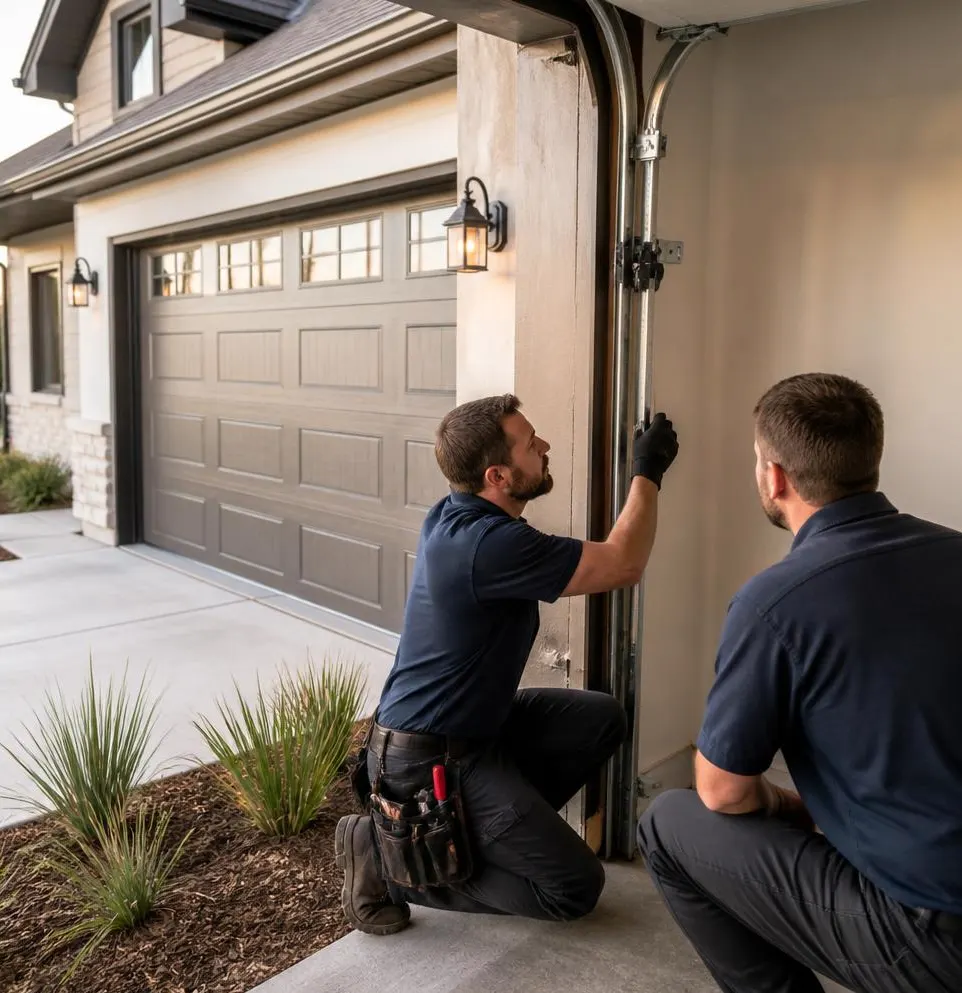
If the dent is affecting how the door moves, sits near a hinge or track, or shows any cracking and early rust, it's worth a professional look rather than a guess. Our technicians can tell you on the spot whether you're looking at a cosmetic fix, a single-panel swap, or something that calls for full Garage Door Installation & Replacement. If the dent has thrown rollers or cables out of alignment, that's a job for our Garage Door Cable & Roller Replacement service, done right so the door runs smoothly and seals properly against Florida's weather.
Settle the argument for good — give Terra Ceia Garage Door Service a call and get a straight answer on your door before the next storm rolls through Terra Ceia, FL.