
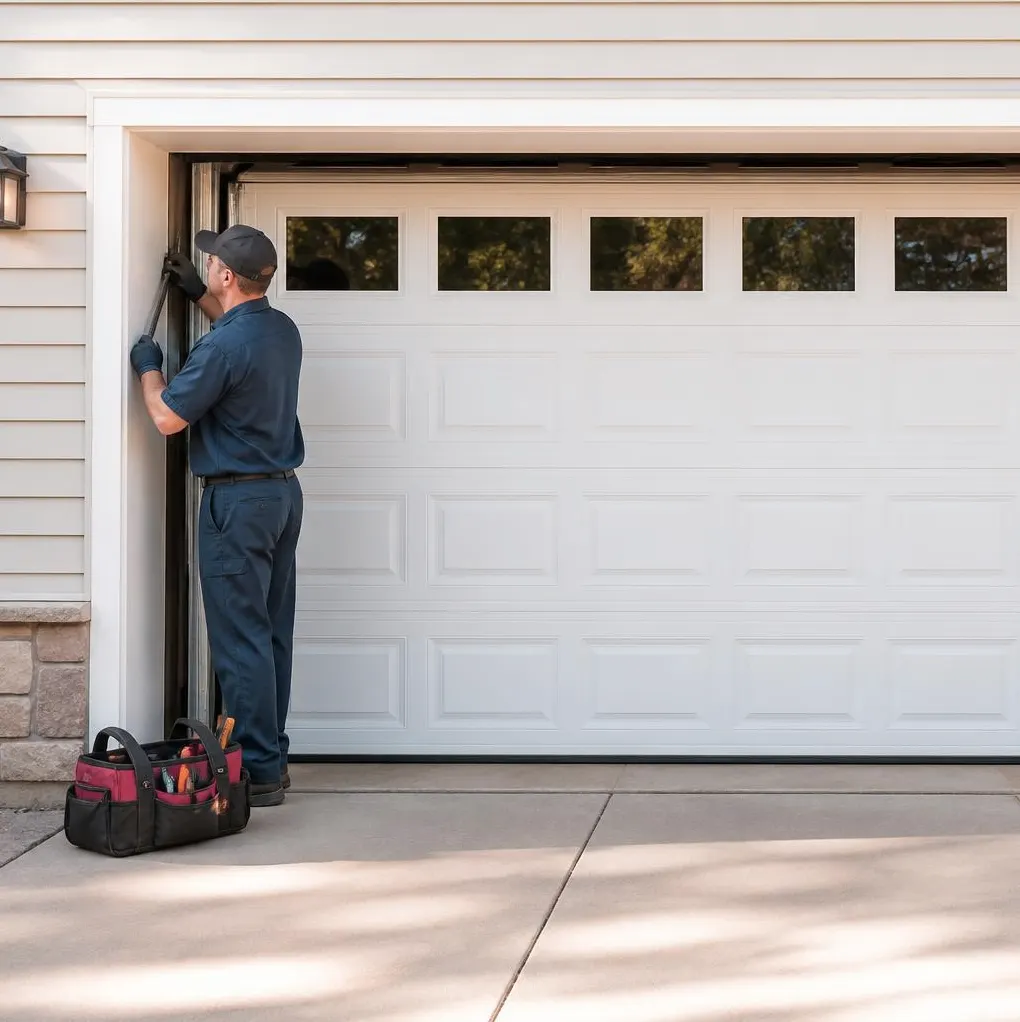
The Morning You Notice It
You walk into the garage on a cooler November morning, hit the opener button, and the door doesn't move the way it did back in August. Maybe it groans partway up. Maybe it jerks instead of gliding. Maybe you notice a thin line of rust along the bottom panel that wasn't there before the last round of storms. None of this is random. Your garage door just spent months absorbing heat, humidity, and salt air, and now the temperature swings of a Florida winter are exposing every bit of wear that summer covered up.
What Actually Changes This Time of Year
Florida winters don't bring snow, but they do bring real shifts that affect how a garage door moves and holds up. Nights can dip into the 40s and 50s even while afternoons stay mild, and that daily swing causes metal components to contract and expand more than they did in the steady heat of summer. Humidity drops compared to the brutal months behind us, which means wood trim, weatherstripping, and rubber seals that swelled all summer can now shrink, crack, or pull away from the frame. And if you're near the coast in Terra Ceia, the salt air hasn't gone anywhere — it keeps working on exposed metal all year, just more noticeably once rust spots have time to show through thinner, drier conditions.
There's also a practical side: this is the stretch when seasonal residents return and households use the garage door more often for holiday guests, deliveries, and errands. More cycles on hardware that already took a beating during storm season means small problems get found the hard way if you don't catch them first.
Finish the Storm-Season Check You Might Have Skipped
Hurricane season technically runs through the end of November, so before you shift your attention fully to winter, make sure you've closed the loop on storm-related wear:
- Check that wind-load hardware — reinforcement struts, track bolts, header brackets — is still snug. Vibration from heavy wind and rain can loosen fasteners even if the door itself never failed.
- Look down the tracks from the inside with the door closed. Storm pressure and wind-driven rain can nudge tracks slightly out of alignment, which shows up as a door that rubs or binds on one side.
- Inspect the bottom seal and corner areas for standing water staining or soft spots, especially if your garage took on wind-driven rain during afternoon downpours.
Inspect for Rust and Salt Residue
Run your hand along hinges, rollers, and the bottom edge of each panel. Light surface rust can be sanded and treated, but once it's flaking or has eaten into the metal, the part needs replacing rather than patching. Pay close attention to the track and roller assembly — salt air corrosion tends to start there first because that's where moisture collects and sits.
Lubricate the Right Way
Hinges, rollers, and springs all need lubrication going into the season, but skip anything oil-based or household spray lubricant — it attracts dust and breaks down fast in salt air. A silicone-based garage door lubricant holds up better and won't gum up moving parts. Apply it to hinge pins, roller bearings, and the spring coils themselves, then wipe off excess so it doesn't drip onto the floor or attract grit.
Check Weatherstripping and Seals
After a summer of heat and humidity, bottom seals and side weatherstripping often stiffen, crack, or pull loose. Close the door and look for daylight along the edges, or just press a finger along the seal to feel for brittleness. Replacing a worn seal now keeps cooler night air, pests, and the next round of wind-driven rain out of the garage.
Test the Balance and the Sensors
Disconnect the opener and lift the door manually halfway. If it doesn't hold its position, the springs have likely lost tension — common after months of heat cycling — and need professional adjustment rather than a DIY fix, since torsion springs store serious force. While you're at it, wipe down the photo-eye sensors near the bottom of the tracks; pollen, dust, and storm debris can collect there and cause the door to reverse unexpectedly.
Think About Insulation If You Use the Garage Year-Round
If your garage doubles as a workspace, storage area, or anything you spend time in, an insulated door section or added weatherstripping makes those cooler mornings more comfortable and helps keep humidity swings from affecting stored items. It's a bigger project than a seasonal check, but worth considering if you've never addressed it.
When to Call In Terra Ceia Garage Door Service
If your door is sticking, grinding, or sagging after a visual check, or if you spot a spring that looks stretched, flattened, or visibly rusted, stop testing it yourself. A professional Garage Door Maintenance & Tune-Up covers everything above — hardware checks, lubrication, balance testing, and sensor alignment — in one visit, and catches issues before they turn into an opener installation or spring repair job in January. If rollers or cables show heavy corrosion, our Garage Door Cable & Roller Replacement service swaps worn parts before they fail under load, which matters more once the door is cycling several times a day for holiday traffic.
If your garage door in Terra Ceia, FL is groaning, sticking, or showing rust before the season gets going, call Terra Ceia Garage Door Service and get it handled before the first cold snap finds the weak spot.